The TP-Link Tri-Band BE9700 WiFi 7 Router review centers on a router built for households that want a 6 GHz band, Wi-Fi 7 features, and several multi-gig wired connections.
Its broad feature set is most compelling when your internet plan, devices, and home layout can make practical use of that capacity.
Archer BE600 Review Summary
The quick verdict
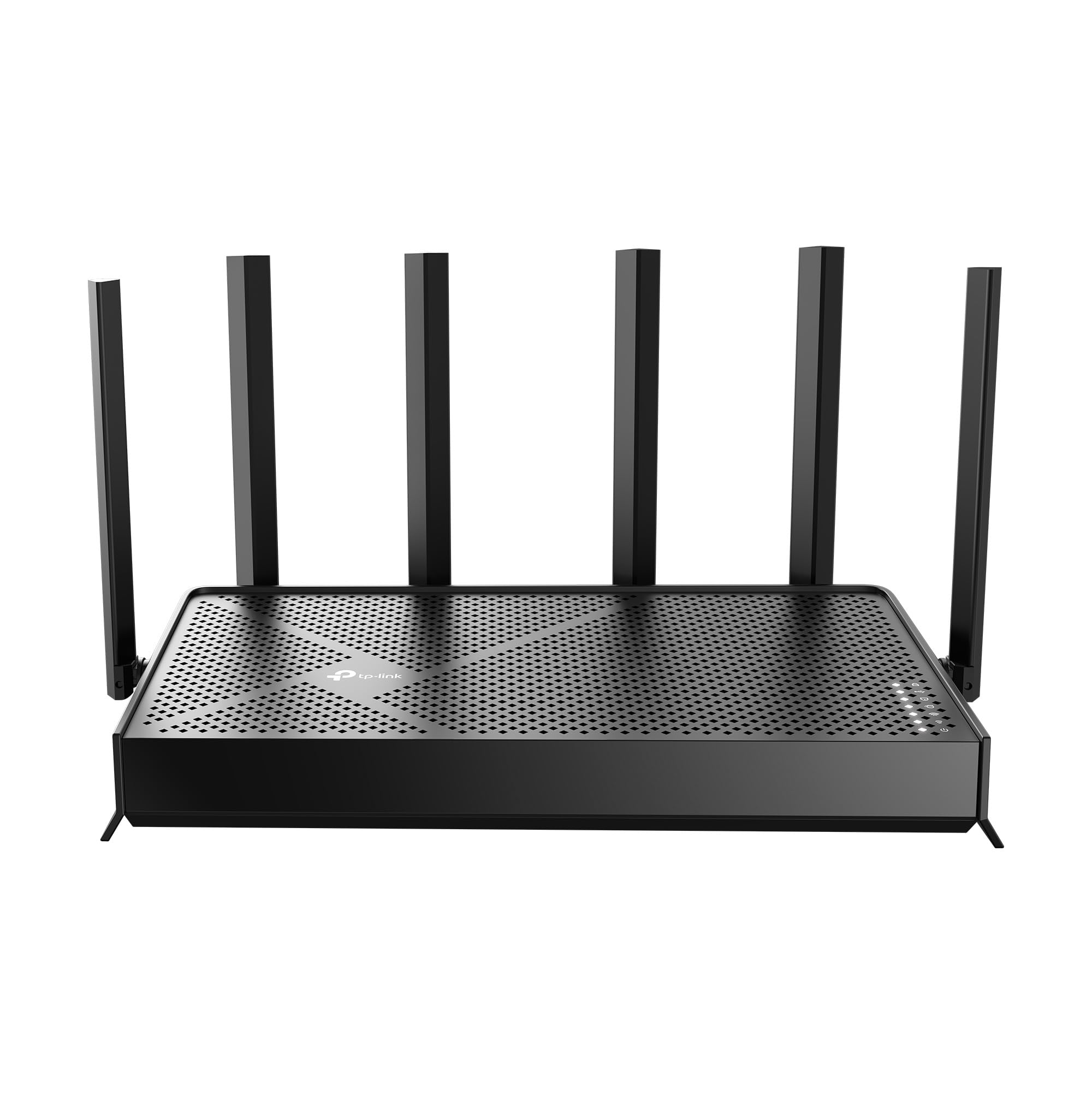
600+ ratings
Read Amazon ReviewsTP-Link Archer BE600
A strong fit for homes with Wi-Fi 7 devices, many connected clients, and multi-gig wired networking needs.
- Tri-band Wi-Fi 7 with 6 GHz, 5 GHz, and 2.4 GHz bands, supporting Multi-Link Operation, Multi-RUs, 4K-QAM, and channel widths up to 320 MHz.
- Listed maximum wireless speeds of 5,765 Mbps on 6 GHz, 2,882 Mbps on 5 GHz, and 1,032 Mbps on 2.4 GHz.
- One 10 Gbps WAN/LAN port, one 2.5 Gbps WAN/LAN port, and three 2.5 Gbps LAN ports.
- Coverage listed up to 2,600 square feet and support for up to 120 devices, with six antennas and beamforming.

Pros
- Wi-Fi 7 features and a dedicated 6 GHz band give compatible devices room to use newer wireless capabilities.
- Multiple multi-gig ports can serve a fast internet connection and several wired devices without relying on a single high-speed LAN connection.
Consider before buying
- The benefits of Wi-Fi 7 and the 6 GHz band depend on compatible client devices and conditions in the home.
- The large speed and coverage figures are maximums; walls, distance, interference, and the internet connection can affect actual results.
Read the full review summary
The Archer BE600 combines three wireless bands with Wi-Fi 7 functions such as Multi-Link Operation, Multi-RUs, 4K-QAM, and channels up to 320 MHz.
Its listed maximum speeds reach 5,765 Mbps on 6 GHz, 2,882 Mbps on 5 GHz, and 1,032 Mbps on 2.4 GHz; those figures describe the bands' theoretical ceilings, not a speed a single device should expect in everyday use.
A 10 Gbps WAN/LAN port, a 2.5 Gbps WAN/LAN port, and three 2.5 Gbps LAN ports give this model a substantial wired side as well.
TP-Link lists coverage up to 2,600 square feet and support for up to 120 devices, plus HomeShield, VPN client/server support, and app or web management.
It suits a well-connected home that can use these features, though the coverage and device figures are maximums rather than guarantees for every layout.
The buying factors
Archer BE600 Scorecard
Editorial scores reflect listed features and buyer fit; they are not laboratory measurements or customer ratings.
Wi-Fi 7 feature set
Tri-band operation, MLO, Multi-RUs, 4K-QAM, and support for channels up to 320 MHz provide a broad set of current-generation wireless features.
Wireless capacity
The three bands have listed maximum speeds of 5,765, 2,882, and 1,032 Mbps, making this a high-capacity design on paper.
Wired connectivity
One 10 Gbps port and four 2.5 Gbps ports offer flexible multi-gig links for a compatible modem and wired devices.
Whole-home potential
Six antennas, beamforming, and a stated coverage maximum of 2,600 square feet offer useful design elements for larger homes, with real coverage dependent on the space.
Network management
The Tether app and web interface provide two setup and management routes, with HomeShield and VPN features adding further controls.
Value for simpler setups
The advanced bands and ports are useful when matched to compatible gear; households with basic internet and few wired devices may have less reason to prioritize them.
Key Features and Specifications of Archer BE600
- Tri-band Wi-Fi 7 with 6 GHz, 5 GHz, and 2.4 GHz bands, supporting Multi-Link Operation, Multi-RUs, 4K-QAM, and channel widths up to 320 MHz.
- Listed maximum wireless speeds of 5,765 Mbps on 6 GHz, 2,882 Mbps on 5 GHz, and 1,032 Mbps on 2.4 GHz.
- One 10 Gbps WAN/LAN port, one 2.5 Gbps WAN/LAN port, and three 2.5 Gbps LAN ports.
- Coverage listed up to 2,600 square feet and support for up to 120 devices, with six antennas and beamforming.
- HomeShield features for network protection, parental controls, and IoT security.
- VPN client and server support, plus setup and management through the Tether app or a web interface.
Pros and Cons of Archer BE600
Pros
- Wi-Fi 7 features and a dedicated 6 GHz band give compatible devices room to use newer wireless capabilities.
- Multiple multi-gig ports can serve a fast internet connection and several wired devices without relying on a single high-speed LAN connection.
- The three bands offer flexibility for a mix of newer and older devices.
- App and web management, HomeShield, and VPN support give buyers several useful network-management options.
Consider before buying
- The benefits of Wi-Fi 7 and the 6 GHz band depend on compatible client devices and conditions in the home.
- The large speed and coverage figures are maximums; walls, distance, interference, and the internet connection can affect actual results.
- Its many multi-gig ports may go underused in a home with a standard-speed internet plan and few wired devices.
Who Should Buy Archer BE600?
Good fit
Consider the Archer BE600 if you are setting up a home network around Wi-Fi 7 devices and want tri-band operation with 6 GHz.
MLO, Multi-RUs, 4K-QAM, and support for channels up to 320 MHz make its wireless feature set a strong match for buyers planning to use newer client hardware.
It is also worth considering when wired networking matters as much as Wi-Fi.
The 10 Gbps WAN/LAN port and four 2.5 Gbps ports can accommodate a multi-gig modem connection alongside multiple wired endpoints, depending on how you configure the WAN/LAN ports and what your other equipment supports.
For a larger or device-dense home, the stated coverage and device ceilings, six antennas, and beamforming offer useful reasons to shortlist it.
Before buying, compare the router’s placement options and your home's layout with your actual coverage needs, and check that your internet service and connected devices can use the faster links.
Who should skip it
Skip this model if your network has no practical use for Wi-Fi 7 or multi-gig wired ports.
A simpler setup with few connected devices may not benefit enough from the Archer BE600’s broader feature set to make it the right priority.
If you need dependable coverage through multiple floors or difficult walls, do not treat the stated square-foot maximum as a guarantee. Consider your layout and whether you would need additional coverage equipment before choosing a single-router setup.
What the Archer BE600’s Wi-Fi 7 and Multi-Gig Design Means
Three bands make the 6 GHz feature practical
The Archer BE600 has separate 6 GHz, 5 GHz, and 2.4 GHz bands, with the highest listed maximum on 6 GHz.
This gives compatible devices access to the newer band while the router also supports devices across the other two. The value of that arrangement depends on the clients in your home and how they connect in your rooms.
Wi-Fi 7 features are most useful with compatible clients
MLO, Multi-RUs, 4K-QAM, and channels up to 320 MHz are part of the router's Wi-Fi 7 design. They provide capabilities for compatible devices to use, but do not guarantee a particular speed or uninterrupted connection.
If most of your devices predate Wi-Fi 7, the router may still serve them, but its newer wireless features will have less immediate use.
The port selection supports a multi-gig home network
The 10 Gbps WAN/LAN port and four 2.5 Gbps ports make the wired configuration a notable part of the product.
Buyers can check their modem or gateway, internet plan, and wired endpoints to see whether the port speeds align with the rest of the network.
A faster router port alone does not increase the speed of an internet service or device that connects at a lower rate.
Coverage figures need to be read in context
TP-Link lists coverage up to 2,600 square feet and support for up to 120 devices, with six antennas and beamforming. These figures help frame the intended scale, while walls, distance, placement, and device activity can influence results.
For homes with awkward layouts, estimate coverage from the router's planned location rather than relying on the maximum area alone.
Alternatives to Archer BE600
Computer Routers alternative
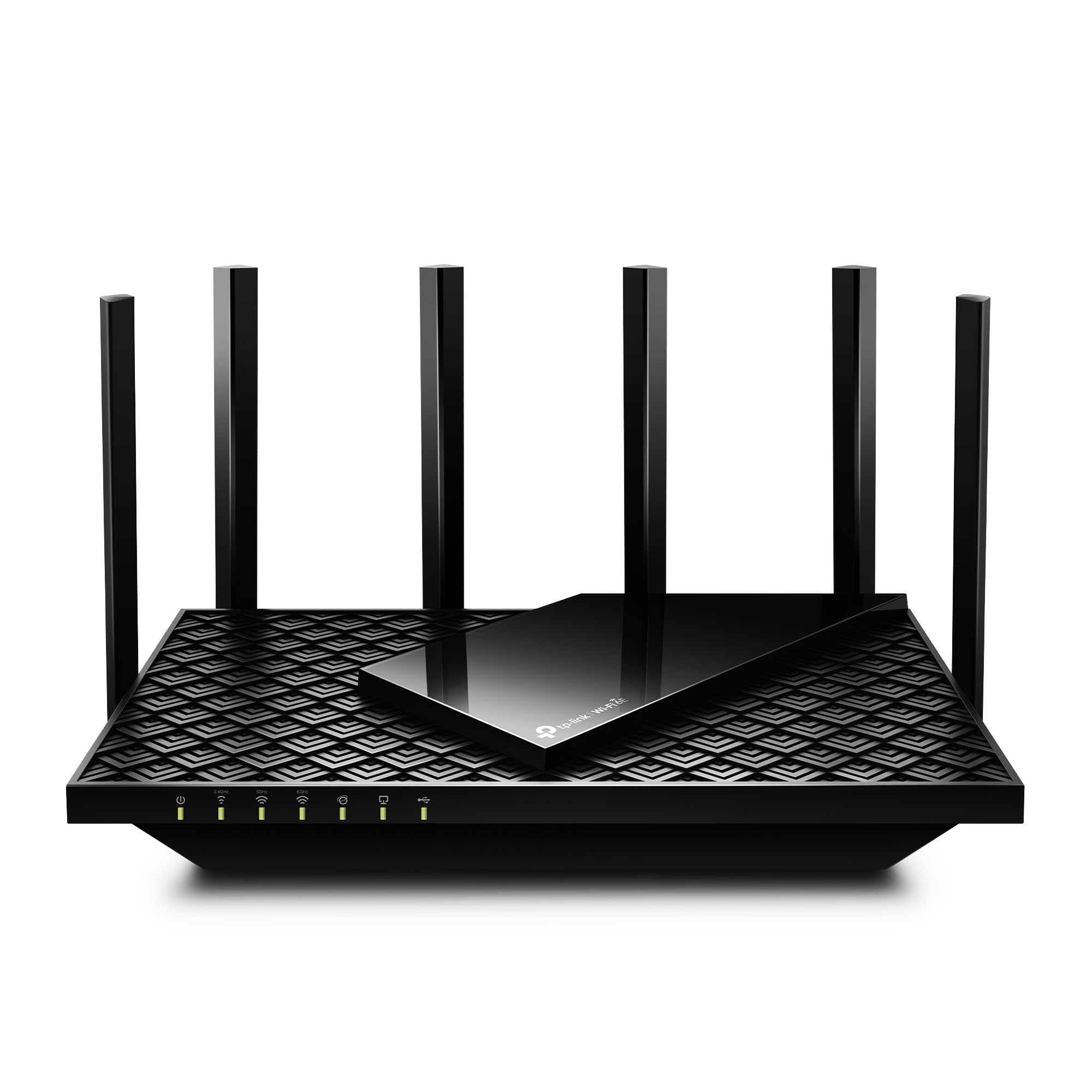
5,000+ ratings
Read Amazon ReviewsTP-Link Archer AXE75
Choose the Archer BE600 if Wi-Fi 7 features and multiple multi-gig wired connections fit your setup. The Archer AXE75 is a relevant alternative if Wi-Fi 6E meets your needs and you value its stated OneMesh extender compatibility.
- The Archer AXE75 is a Wi-Fi 6E tri-band router with listed speeds up to 5,400 Mbps, a 2.5 Gbps WAN port, a 6 GHz band, and OneMesh extender support.
- The Archer BE600 is a Wi-Fi 7 tri-band router with a 6 GHz band and multi-gig ports, including a 10 Gbps WAN/LAN port and four 2.5 Gbps ports.
Computer Routers alternative
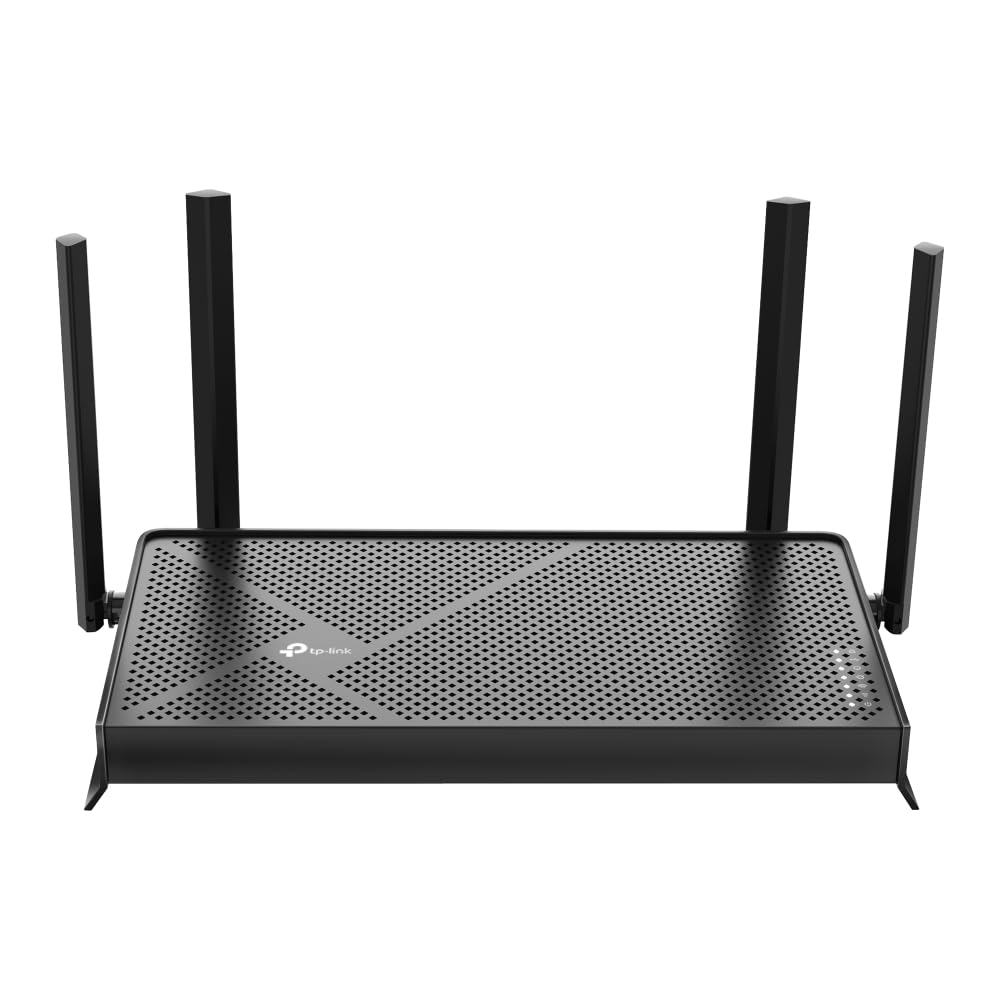
1,000+ ratings
Read Amazon ReviewsTP-Link Archer BE230
The Archer BE600 is the closer fit for buyers who want a 6 GHz band and more multi-gig wired connections.
Consider the Archer BE230 if you want Wi-Fi 7 and EasyMesh support but do not need 6 GHz or as many multi-gig ports.
- The Archer BE230 is a dual-band Wi-Fi 7 router without 6 GHz, with listed speeds up to 2,882 Mbps on 5 GHz and 688 Mbps on 2.4 GHz.
- It has two 2.5 Gbps ports, three 1 Gbps LAN ports, USB 3.0, and EasyMesh support.
- The Archer BE600 offers tri-band Wi-Fi 7, a 6 GHz band, and four multi-gig ports.
Is Archer BE600 Worth It?
The TP-Link Archer BE600 is worth considering for a busy home network that can use Wi-Fi 7, a 6 GHz band, and several multi-gig wired connections.
Its feature mix is especially coherent when compatible devices, a suitable internet plan, and wired equipment are already part of the setup.
Buy with expectations grounded in the maximum figures: actual wireless coverage and throughput depend on your space and equipment.
If you will use those capabilities, the Archer BE600 is a well-equipped router to shortlist; if not, its advanced port and band capacity may be more than your home needs.
Your review at a glance
600+ ratings
Read Amazon ReviewsTP-Link Archer BE600
A strong fit for homes with Wi-Fi 7 devices, many connected clients, and multi-gig wired networking needs.
- Tri-band Wi-Fi 7 with 6 GHz, 5 GHz, and 2.4 GHz bands, supporting Multi-Link Operation, Multi-RUs, 4K-QAM, and channel widths up to 320 MHz.
- Listed maximum wireless speeds of 5,765 Mbps on 6 GHz, 2,882 Mbps on 5 GHz, and 1,032 Mbps on 2.4 GHz.
- One 10 Gbps WAN/LAN port, one 2.5 Gbps WAN/LAN port, and three 2.5 Gbps LAN ports.
- Coverage listed up to 2,600 square feet and support for up to 120 devices, with six antennas and beamforming.